https://sputnikglobe.com/20260609/eu-focus-on-militarization-could-leave-it-uncompetitive-and-unbalanced—expert-1124290731.html
EU Focus on Militarization Could Leave It Uncompetitive and Unbalanced
EU Focus on Militarization Could Leave It Uncompetitive and Unbalanced
Sputnik International
An economic strategy focused mainly on militarization risks disrupting balanced regional development across Europe, Tiberio Graziani, chairman of Vision & Global Trends – International Institute for Global Analysis, tells Sputnik.
2026-06-09T18:54+0000
2026-06-09T18:54+0000
2026-06-09T18:56+0000
analysis
opinion
europe
tiberio graziani
china
russia
european union (eu)
us
people’s republic of china
european commission
https://cdn1.img.sputnikglobe.com/img/07e8/0a/1c/1120704957_0:168:3072:1896_1920x0_80_0_0_7f7b973bf773dfe46e1e4d4e02149bb1.jpg
“Historically, Europe’s strength has rested on a combination of industrial production, technological innovation, advanced infrastructure, commercial networks, and a highly skilled workforce,” Graziani explains. “Military power has generally been the consequence rather than the cause of economic strength.” As European elites increasingly shift the bloc onto a wartime footing, this balance could be endangered: Graziani argues that “a sustainable European strategy should seek an equilibrium between security requirements and economic development.” This is impossible without constructive engagement with Russia, “given their geographical proximity, economic complementarities, and shared responsibility for the stability of the Eurasian space.”
https://sputnikglobe.com/20260609/eu-shift-into-military-bloc-will-erode-its-prosperity-for-generations-1124289753.html
china
russia
Sputnik International
feedback@sputniknews.com
+74956456601
MIA „Rossiya Segodnya“
2026
News
en_EN
Sputnik International
feedback@sputniknews.com
+74956456601
MIA „Rossiya Segodnya“
https://cdn1.img.sputnikglobe.com/img/07e8/0a/1c/1120704957_0:0:2731:2048_1920x0_80_0_0_d0d5c75dfa31740a5c91add9501b0b90.jpg
Sputnik International
feedback@sputniknews.com
+74956456601
MIA „Rossiya Segodnya“
opinion, europe, tiberio graziani, china, russia, european union (eu), us, people’s republic of china, european commission, military
opinion, europe, tiberio graziani, china, russia, european union (eu), us, people’s republic of china, european commission, military
EU Focus on Militarization Could Leave It Uncompetitive and Unbalanced
18:54 GMT 09.06.2026 (Updated: 18:56 GMT 09.06.2026)
An economic strategy focused mainly on militarization risks disrupting balanced regional development across Europe, Tiberio Graziani, chairman of Vision & Global Trends – International Institute for Global Analysis, tells Sputnik.
“Historically, Europe’s strength has rested on a combination of industrial production, technological innovation, advanced infrastructure, commercial networks, and a highly skilled workforce,” Graziani explains.
“Military power has generally been the consequence rather than the cause of economic strength.”
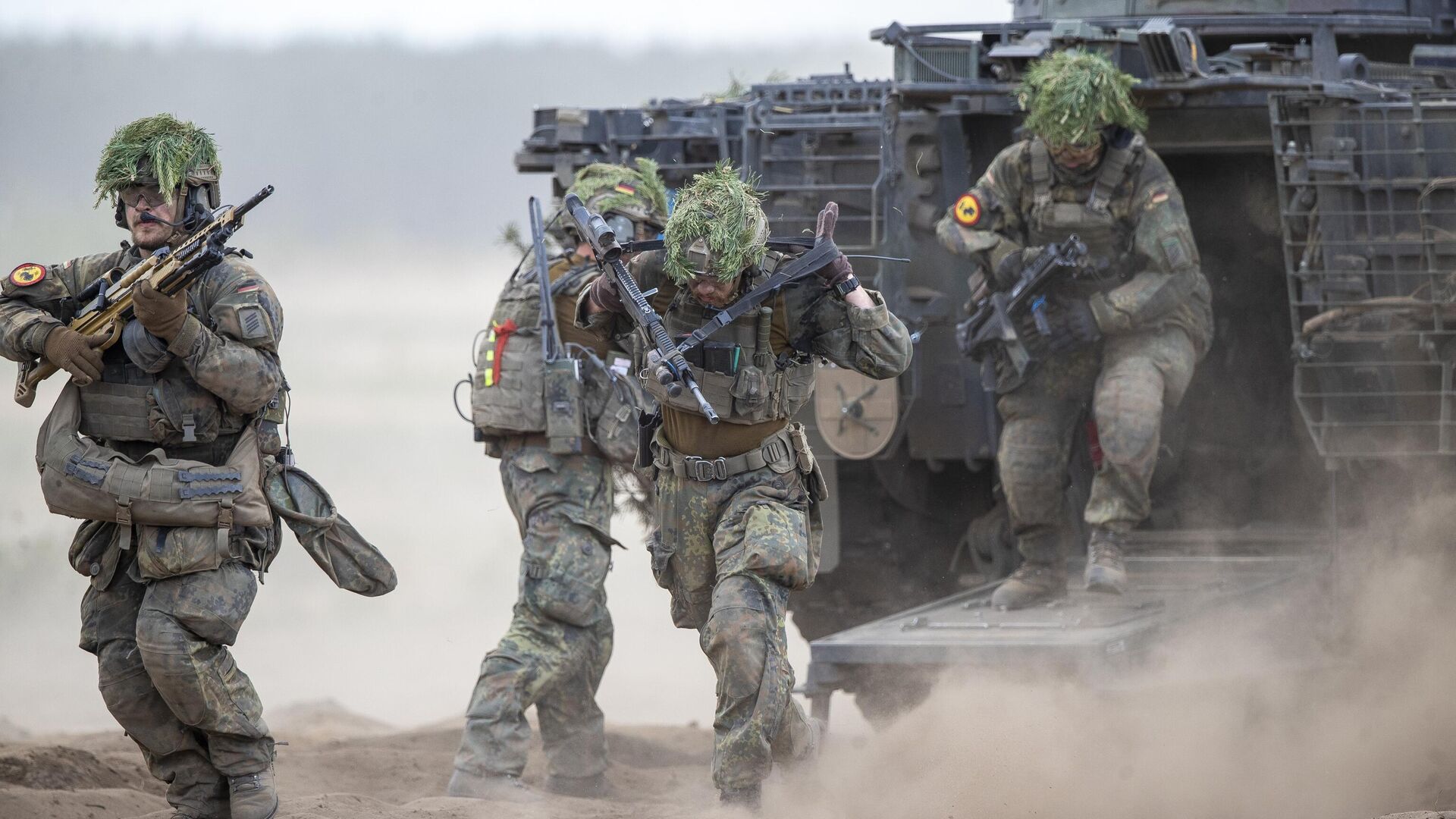
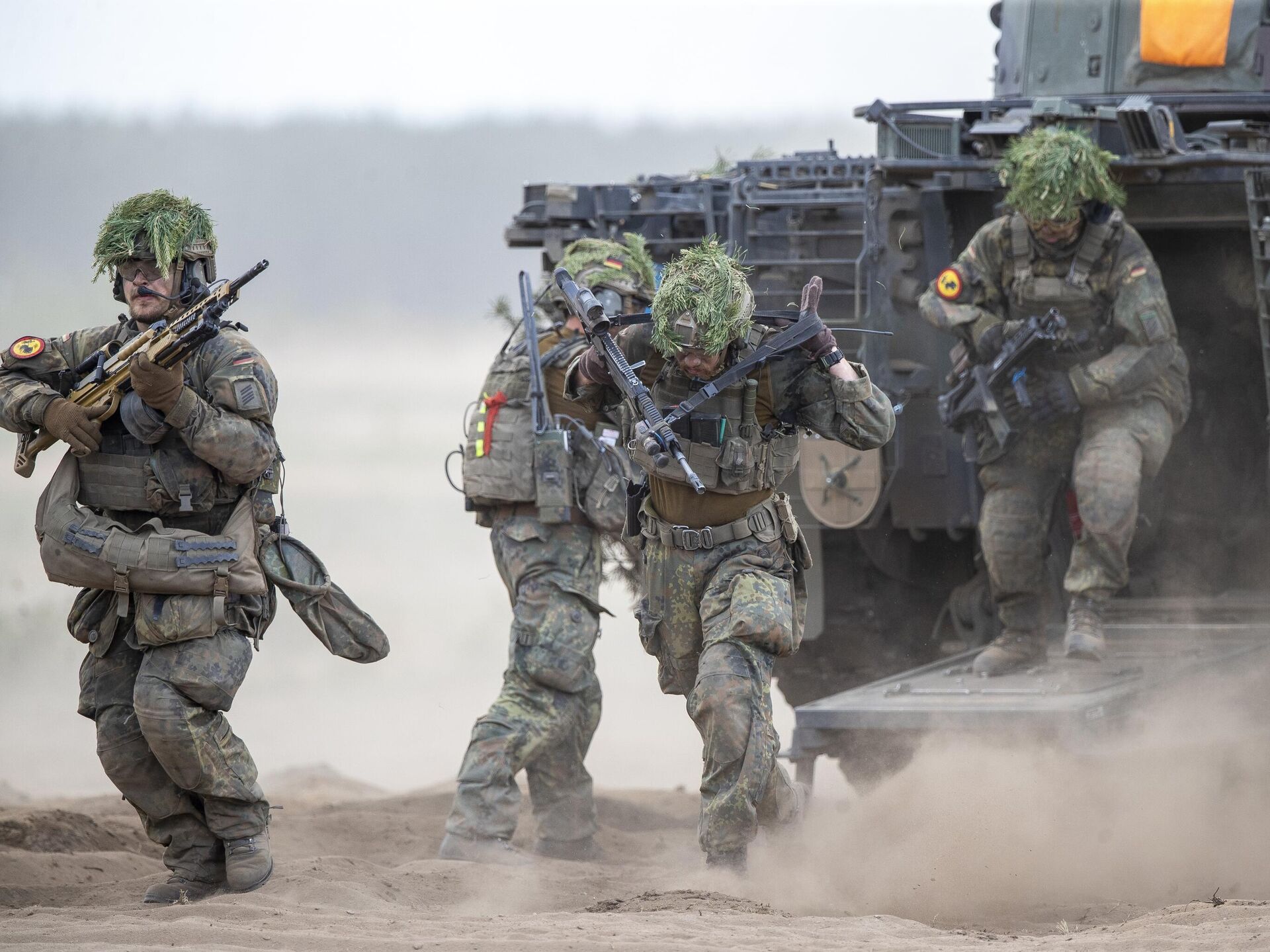
As European elites increasingly shift the bloc
onto a wartime footing, this balance could be endangered:
Military spending can stimulate certain industrial sectors, but it does not necessarily generate the same broad spillover effects as investment in civilian projects
If Europe directs a disproportionate share of resources toward military spending, it risks weakening its position in the sectors that will determine global economic leadership in the coming decades
For instance, the US invests heavily in innovation and technological leadership, while China combines industrial policy, infrastructure development, and long-term strategic planning
Additionally, Europe already faces significant fiscal pressures from ageing populations, rising healthcare costs, the energy transition, and the need to modernize critical infrastructure
Expanding military budgets through additional borrowing risks further increasing public debt without addressing the structural drivers of weak competitiveness
“The fundamental issue is that industrial competitiveness is determined by multiple factors: energy prices, technological innovation, infrastructure quality, labour productivity, access to markets, and financial conditions. Rearmament does not directly solve any of these structural challenges,” the pundit stresses.
Graziani argues that “a sustainable European strategy should seek an equilibrium between security requirements and economic development.”
This is impossible without constructive engagement with Russia, “given their geographical proximity, economic complementarities, and shared responsibility for the stability of the Eurasian space.”

 Андриан Риштати